
How to Start a Vehicle Wrap Business in 2026 | Beginner Guide

Starting a vehicle wrap business is a goal for many installers, designers, and entrepreneurs. Vehicle wraps are everywhere—vans, trucks, trailers, and fleets—and demand continues to grow. However, many people underestimate what it really takes to open a wrap shop and make it profitable.
This guide explains, step by step, how to start a wrap shop in 2026, what you truly need, and what mistakes to avoid. Whether you are an installer looking to go independent or someone new to the industry, this article will help you understand the full picture before you invest time and money.

What Does It Really Mean to Start a Wrap Shop?
Many people think a wrap shop is just about installing vinyl. In reality, installing wraps is only one part of the business. A wrap shop is a full operation that includes:
Sales and quoting
Design and layout
Client communication
Production planning
Installation
After-sales support
Understanding this early is critical. If you focus only on installation skills, you may struggle as a business owner.
Skills vs Business Reality
Being a Good Installer Is Not Enough
One of the most common mistakes when learning how to start a wrap shop is assuming technical skill equals business success.
Many great installers fail as shop owners because:
They underprice their work
They struggle with client expectations
They lack clear systems
They spend too much time fixing mistakes
Installing wraps and running a business are two very different skill sets.
Business Skills You Will Need
To successfully open a wrap shop, you must develop or outsource these skills:
Basic sales and communication
Quoting and pricing
Design presentation
Project management
Time management
You do not need to master everything on day one, but you must recognize that these areas matter just as much as installation quality.
Equipment and Software You Need to Start a Wrap Shop
Essential Equipment
When planning a wrap shop startup, many beginners overspend on equipment. You do not need everything at once, but you do need the basics.
Essential items include:
Heat guns
Squeegees and wrap tools
Knifeless tape
Clean work tables
Ladders and step stools
Good lighting
High-end printers and laminators can be added later or outsourced in the beginning.
Software for Wrap Shops
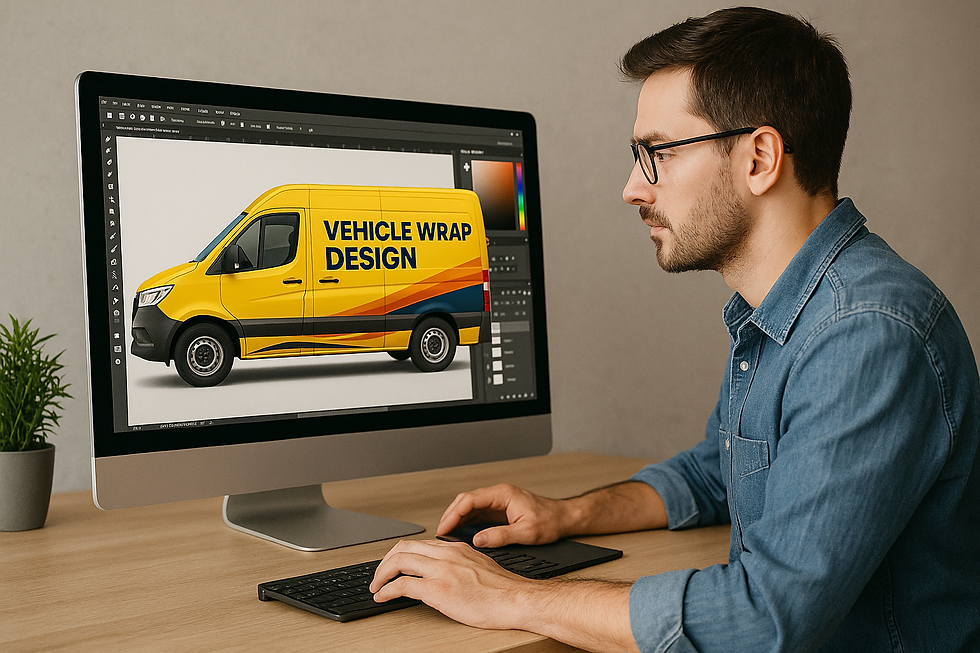
Software is often overlooked, but it plays a major role in how professional your business appears.
Basic software needs include:
Design software (Illustrator, CorelDRAW, or similar)
File management and storage
Simple project tracking
Even if you outsource design, you still need a way to review and approve layouts before printing.
Space Requirements: Garage vs Commercial Shop
Starting Small Is Acceptable
You do not need a large warehouse to start a vehicle wrap business. Many successful wrap shops started in small spaces.
Common starting options include
Home garage (where allowed by local rules)
Shared industrial space
Small commercial unit
The most important factors are:
Clean environment
Controlled temperature
Enough space to move around vehicles
What to Avoid
Avoid starting in a space that:
Is too dark
Has dust and debris
Is too small to open doors fully
Lacks basic ventilation
Poor space conditions can ruin installs and hurt your reputation.
Pricing Basics for New Wrap Shops Why Pricing Is So Difficult
Pricing is one of the hardest parts when learning how to start a wrap shop. Many beginners charge too little because they fear losing clients.
Low pricing leads to:
Burnout
Rushed installs
Poor quality
No profit
Basic Pricing Principles
While pricing varies by market, these principles apply everywhere:
Do not price based only on time
Include design, prep, and install
Clearly define coverage areas
Account for mistakes and reprints
Clients are not just paying for vinyl. They are paying for experience, planning, and results.
Branding and Presentation Matter More Than You Think
Why Appearance Builds Trust
Many new wrap shop owners focus on tools but ignore branding. This is a major mistake.
Clients judge professionalism by:
Your logo
Your quote layout
Your design mockups
Your communication
A shop that looks organized and professional can charge more—even if the installer skill level is similar.
What Professional Presentation Includes
To open a wrap shop that clients trust, you should have:
A clean logo and brand identity
Clear wrap coverage visuals
Written explanations of what clients get
These elements reduce confusion and increase approval speed.
Common Beginner Mistakes When Starting a Wrap Shop
1. Undercharging From Day One
Low prices attract difficult clients and create stress. Pricing should reflect your full effort, not just install time.
2. No Clear Scope of Work
Without clear coverage definitions, clients assume more than what was agreed.
3. Skipping Design Standards
Poor design leads to reprints, delays, and unhappy clients.
4. Saying Yes to Every Job
Not every project is a good project. Early discipline matters.
5. No Systems in Place
Running everything from memory leads to errors. Systems create consistency.
How to Start a Wrap Shop the Smart Way in 2026
If you want to start a vehicle wrap business and survive long term, think beyond tools and vinyl.
Focus on:
Clear processes
Strong presentation
Real pricing structure
Consistent quality
Wrap shops that succeed are not always the most talented. They are the most organized.
Final Thoughts
Learning how to start a wrap shop is not only about tools, vinyl, or installation skill. Many new wrap shops struggle because they focus on the technical side and ignore structure, presentation, and systems. This often leads to low pricing, unclear expectations, rework, and burnout.
A successful wrap shop is built on clarity. Clear pricing. Clear coverage. Clear communication. Clear design presentation. These elements help clients trust you, approve projects faster, and understand the value of your work.
This is where The Profitable Wrap Shop Guide becomes valuable. The guide was created specifically for people who want to start a vehicle wrap business or improve an existing one. It helps you understand how to present wrap services professionally, how to explain coverage clearly, and how to avoid common mistakes that cost time and money.
Instead of guessing or learning the hard way, the guide provides structure. It shows you how to think like a wrap shop owner, not just an installer. It helps you build confidence when quoting, presenting designs, and working with clients.
Most new wrap shops fail because they skip systems. The Profitable Wrap Shop Guide was created to avoid exactly that.
If you want to open a wrap shop in 2026 with better organization, clearer processes, and a more professional image from day one, having the right systems in place can make a real difference.


Comments